
The Defense Against a Fixed Story
The Collini CaseThe courtroom’s initial image of Collini as a senseless killer is challenged by a defense that expands the case to include the victim’s past.
increasing Bearing strength in each event
 decreasing
Bearing strength in each eventdecreasingAn Easy Narrative
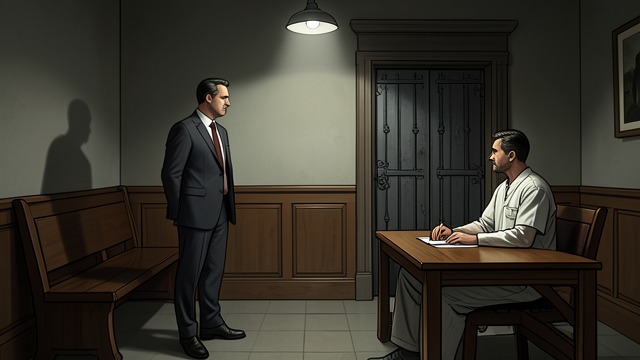
An Easy Narrative
Facts without motive
Collini has confessed, the physical evidence is strong, and investigators find no apparent connection to Meyer. The planned trial therefore seems likely to be brief and predictable.
The danger of reduction
Without context, the defendant can be reduced to the brutal act recorded in the evidence. The courtroom is prepared to judge the killing without understanding the history behind it.
The Brutal Image
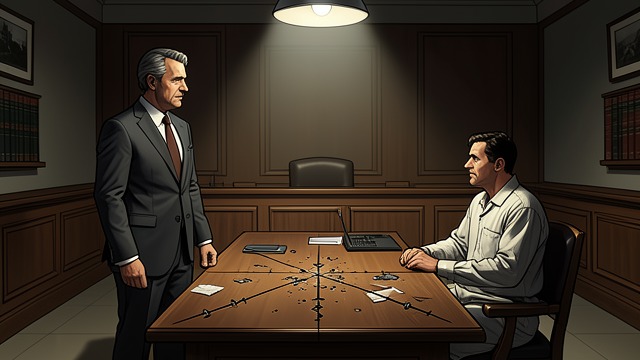
The Brutal Image
Forensic detail
Mattinger elicits the paths of the bullets and the damage caused by Collini’s kicks. The evidence is presented in language that the court can picture vividly.
A defense in retreat
Leinen sees that the images are fixing a powerful account of the defendant as a monster. The trial appears to leave little room for anything that might complicate that impression.
A Break in the Schedule
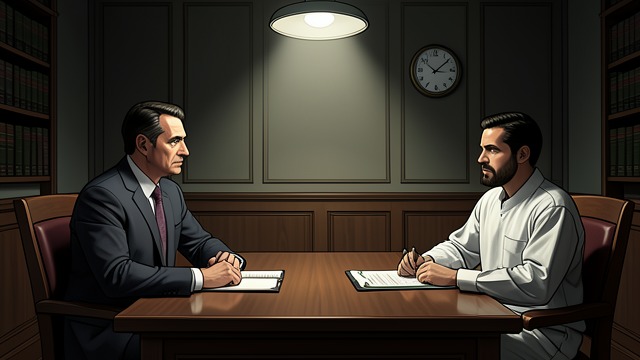
A Break in the Schedule
An unexpected adjournment
A lay judge falls ill and the court pauses the trial for ten days. Leinen uses the interruption to reconsider the case and search through the file again.
A last chance
The delay exposes how close the defense is to losing. Leinen’s attention to the weapon opens a new direction just as the original narrative seems settled.
The Historical Counterstory
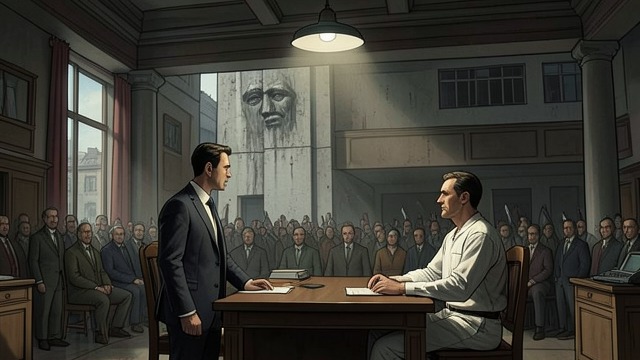
The Historical Counterstory
A different victim history
Leinen introduces records of Meyer’s command in wartime Genoa and the execution of Collini’s father. The defendant’s life enters the proceeding as more than a psychiatric or sentencing issue.
Reframing responsibility
The defense does not deny the murder; it disputes the idea that the act arose without history. The courtroom must now assess the relationships among violence, law, and revenge.
The Courtroom Rebalanced
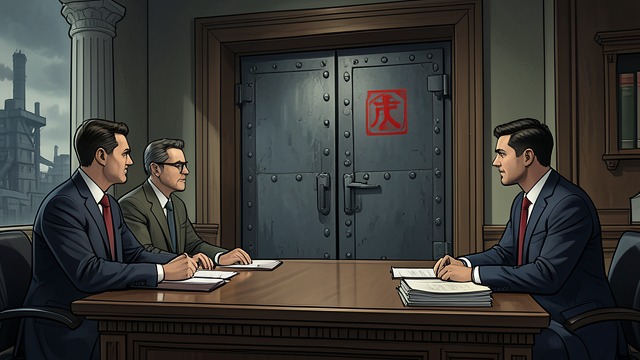
The Courtroom Rebalanced
The old decision reinterpreted
The investigation’s discontinuance is shown to have resulted from a statute of limitations, not an acquittal. Leinen restores uncertainty to the official story Mattinger had presented.
A more difficult judgment
The defense gains historical credibility without making the murder disappear. The legal and moral questions now resist a simple division between guilty and innocent characters.
Before the trial begins
The first five days of trial
After the sixth day of hearings
When the trial resumes after the adjournment
After the limitation rule is explained
